
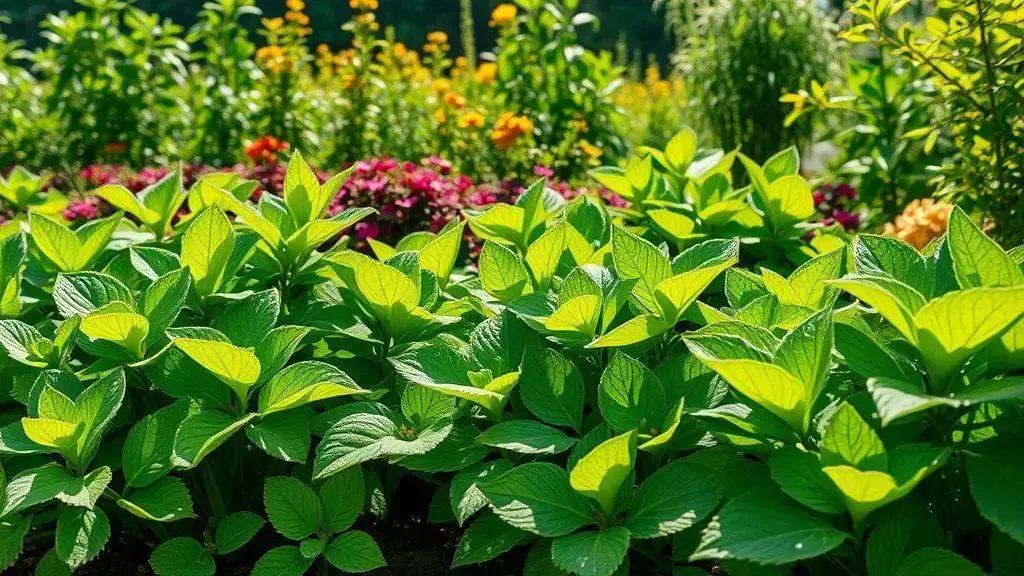
Plant health is vital for successful gardening; it requires understanding nutrient needs, implementing effective soil management, and identifying and treating diseases promptly to ensure robust growth and vibrant blooms.
When it comes to gardening, plant health is often overlooked. Have you ever wondered what keeps your plants thriving? Let’s dive into some essential strategies that can transform your gardening experience!
Understanding the importance of plant health
Understanding the importance of plant health is crucial for anyone who wishes to maintain a thriving garden. Healthy plants not only produce beautiful flowers and fruits but also contribute positively to the environment.
Plants rely on good health to photosynthesize, grow, and reproduce. A strong, healthy plant can resist pests and diseases better, ensuring a more robust garden ecosystem. This resilience allows plants to thrive even in challenging conditions.
See today’s top solution for balance & energy
Gentle guidance trusted by our community.
Moreover, healthy plants support beneficial insects, which can help with pollination and pest control. By nurturing plant health, you provide a habitat for these creatures, creating a balanced environment.
Ensuring your plants are healthy starts with proper soil management. The right soil conditions provide plants with essential nutrients and moisture, promoting strong root systems. Regularly testing and amending your soil can lead to significant improvements in plant vitality.
Identifying plant health issues
Being able to recognize signs of poor plant health is important. Common indicators include yellowing leaves, stunted growth, or wilting. By catching these signs early, you can address problems before they become fatal to your plants.
Best practices for upkeep
Maintaining plant health requires consistent care. Ensure your plants receive adequate water, light, and nutrients. Additionally, consider rotating crops and practicing proper pruning techniques to promote healthy growth.
Best practices for soil management
Best practices for soil management are essential for promoting plant health and achieving a thriving garden. Healthy soil is the foundation for vibrant plants, as it provides nutrients, retains moisture, and supports beneficial organisms.
Start by regularly testing your soil to understand its pH and nutrient content. This information helps you make informed decisions about amendments. Adding organic matter, such as compost or well-rotted manure, enriches the soil and improves its texture and water retention.
Rotate your crops each season to prevent nutrient depletion and control pests. This practice encourages a natural balance in the soil, reducing the reliance on chemical fertilizers and pesticides.
Consider using cover crops during the off-season. These plants protect the soil from erosion, add nutrients, and improve soil structure when tilled back into the ground. Leguminous cover crops, for example, can fix nitrogen in the soil, benefiting subsequent crops.
Mulching is also beneficial
Applying a layer of mulch helps retain soil moisture, suppress weeds, and improve soil health as it breaks down. Organic mulches, like straw or wood chips, are particularly effective.
Avoid over-tilling
While tilling can aerate the soil, too much can damage soil structure and harm beneficial organisms. Practice minimal tillage to maintain soil integrity and promote a healthy ecosystem.
By following these best practices for soil management, you can create a robust growing environment that supports the health of your plants and enhances your gardening experience.
Nutritional needs of different plants
Nutritional needs of different plants vary significantly, and understanding these differences is key to successful gardening. Each plant type has specific requirements that ensure healthy growth and vibrant blooms.
Most plants need three major nutrients: nitrogen, phosphorus, and potassium. These are often found in fertilizers, and each plays a vital role in plant development. Nitrogen promotes leafy growth, phosphorus supports root and flower development, and potassium helps with overall plant health.
Different types of plants also have unique needs. For instance, leafy greens like spinach and lettuce thrive on nitrogen-rich fertilizers, which enhance their growth. On the other hand, flowering plants, such as roses, benefit from balanced fertilizers that include phosphorus to encourage blooming.
Furthermore, herbs like basil and parsley often require less fertilizer compared to vegetables since they can produce essential oils and flavors even with lower nutrient levels. Understanding this can help improve the yield and flavor of your herbs.
Micronutrients matter too
While macronutrients are crucial, do not overlook the importance of micronutrients. Elements like magnesium, calcium, and iron support various metabolic functions in plants. For example, magnesium is essential for chlorophyll production, influencing the plant’s ability to photosynthesize.
Water and soil health
Remember that nutritional needs also depend on water and soil health. Maintaining good soil structure helps plants absorb nutrients more effectively. Ensuring proper drainage and moisture levels enhances the overall health of your plants.
By aligning your fertilization strategy with the nutritional needs of different plants, you can foster a thriving garden that produces healthy plants and abundant blooms.
How to identify and treat plant diseases
How to identify and treat plant diseases is an essential skill for every gardener. Recognizing the signs of disease early can save your plants and ensure a thriving garden.
Common symptoms of plant diseases include yellowing leaves, spots, wilting, and stunted growth. Fungal diseases often manifest as spots or powdery substances on leaves. Bacterial infections might cause wilting or water-soaked areas. Knowing these symptoms will help you diagnose issues quickly.
Begin with an observation. Check for signs on both the tops and undersides of leaves. Look closely at the stems and soil as well since diseases can spread from one area to another. If you notice unusual growth patterns, it could indicate a problem.
Investigating root health
Roots can also fall victim to diseases. If a plant wilts despite having adequate water, check the roots. Healthy roots are often white or light tan. Dark, mushy roots indicate rot, which can be caused by overwatering or poor drainage.
Treating plant diseases
Once you’ve identified symptoms, you can take steps to treat them. For fungal diseases, consider using a fungicide or homemade remedies such as a mixture of water and baking soda. If the issue is bacterial, removing infected leaves can help stop the spread.
Another effective approach is to improve overall plant health. Keep plants properly watered and fertilized. Strong plants are more resistant to diseases. Practice crop rotation and avoid planting the same species in the same spot to minimize disease recurrence.
Regularly cleaning garden tools and improving airflow around plants can also reduce disease spread. With diligence, you can keep your garden healthy and productive.
In conclusion, nurturing plant health is key to a thriving garden.
By understanding the nutritional needs of different plants, practicing effective soil management, and identifying and treating plant diseases, you can create a vibrant and healthy garden.
Remember to observe your plants closely and take action promptly to address any issues. With patience and care, your garden will flourish, providing beauty and bounty for all to enjoy.
Embrace these strategies to enhance your gardening experience and ensure that your plants reach their full potential.
FAQ – Frequently Asked Questions about Plant Health and Gardening
What are the signs of plant diseases I should look for?
Common signs include yellowing leaves, spots, wilting, and stunted growth. Checking both sides of leaves and stems is crucial.
How can I improve soil health for my plants?
Regularly test your soil, add organic matter like compost, and practice crop rotation to enhance soil health.
What nutrients do my plants need to thrive?
Plants require nitrogen, phosphorus, and potassium, along with micronutrients like magnesium and calcium for healthy growth.
How do I treat fungal diseases in my plants?
Use fungicides or homemade remedies like a baking soda solution, and always remove infected parts of the plant.
Is watering necessary for maintaining plant health?
Yes, proper watering is essential. Keep an eye on moisture levels and adjust based on the specific needs of your plants.
Can I prevent plant diseases from occurring?
Absolutely! Maintaining healthy plants through good soil management, crop rotation, and regular observation can significantly reduce disease risk.
See today’s top solution for balance & energy
Gentle guidance trusted by our community.