
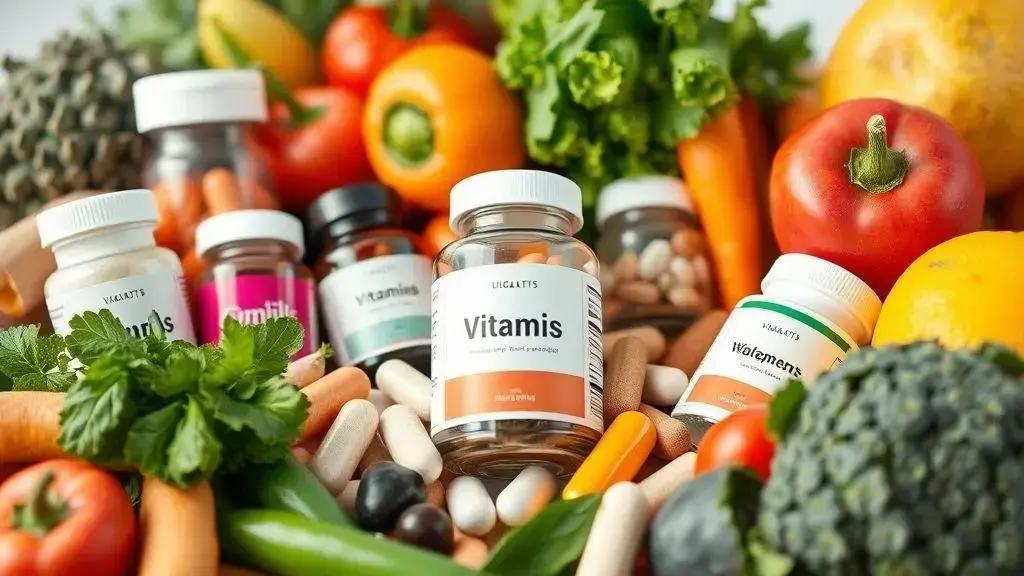
Vitamins are essential for women’s health over 30, supporting energy, immunity, and skin health; key vitamins include D, B, C, and E, which can be obtained through a varied diet or supplements as needed.
When it comes to overall health, vitamins are indispensable, especially for women over 30. Have you ever wondered which nutrients matter most for your well-being?
Understanding the role of vitamins in women’s health
Understanding the role of vitamins in women’s health is crucial, especially as they age. Vitamins are organic compounds that our bodies need to function effectively. They support various physiological functions, including the immune system and metabolism.
Importance of Vitamins
Vitamins play a diverse range of roles in maintaining health. For example, Vitamin D is vital for bone health, while Vitamin C boosts the immune system. Women over 30 should ensure they get enough of these essential nutrients.
How Vitamins Affect Hormonal Balance
See today’s top solution for balance & energy
Gentle guidance trusted by our community.
Vitamins can also support hormonal balance. Vitamin B6 can help manage mood swings associated with hormonal changes. These changes can occur due to menstrual cycles or during pregnancy.
Sources of Vitamins
To maintain optimal health, women should seek vitamin-rich foods. Dark leafy greens, citrus fruits, nuts, and seeds are excellent choices. Fortified foods can also help meet daily vitamin needs.
Additionally, supplements can be beneficial, especially if dietary intake is insufficient. It’s best to consult a healthcare provider before starting any new supplement regimen to ensure it fits individual health needs.
Essential vitamins after the age of 30
As women reach the age of 30, their nutritional needs begin to change. Essential vitamins are crucial for overall health and wellness, especially during this period.
Vitamin D: A Key Player
Vitamin D is vital for calcium absorption and bone health. Many individuals do not get enough sunlight, which is a natural source of vitamin D. Consider foods like fatty fish, fortified dairy products, and supplements if necessary.
B Vitamins for Energy
The B vitamins, including B6, B12, and folate, play a significant role in energy metabolism. These vitamins can be found in whole grains, meat, eggs, and leafy greens. They help to maintain energy levels and support brain function.
Vitamin C for Immunity
Vitamin C boosts the immune system and helps with collagen production. Citrus fruits, berries, and peppers are excellent sources of this essential vitamin. Regular intake supports skin health and reduces the risk of infections.
Vitamin E for Skin Health
Vitamin E acts as an antioxidant, protecting cells from damage. It can help improve skin health and may slow the aging process. Nuts, seeds, and vegetable oils are great sources of vitamin E.
How to incorporate vitamins in your diet
Incorporating vitamins into your diet is essential for maintaining good health, especially for women over 30. Here are some effective strategies to ensure you get the necessary nutrients.
Eat a Varied Diet
Diversity in your meals is key. Aim to include different food groups in each meal. Combine fruits, vegetables, whole grains, proteins, and healthy fats to maximize nutrient intake.
Focus on Whole Foods
Whole foods offer more vitamins than processed foods. Choose fresh fruits, vegetables, nuts, and seeds. These foods are rich in essential vitamins and minerals that support overall health.
Plan Balanced Meals
Planning meals can help you meet your nutritional needs. Include a source of protein, healthy fats, and a variety of colorful vegetables. This method ensures a good mix of vitamins in every dish.
Consider Supplements Wisely
If you struggle to get enough vitamins from food alone, consider supplements. However, it’s important to consult with a healthcare provider to identify which supplements are necessary and safe for you.
Stay Hydrated
Hydration is often overlooked but is essential for nutrient absorption. Drink plenty of water throughout the day to help your body utilize vitamins and minerals effectively.
Consultation: Tailoring vitamin intake for personal health needs
Consulting with a healthcare provider is essential for tailoring vitamin intake according to personal health needs. Every individual has unique nutritional requirements based on factors such as age, lifestyle, and health conditions.
Understanding Individual Health Needs
Before making any changes to your vitamin intake, it’s important to discuss your health history. This conversation will help identify any deficiencies or specific requirements you may have.
Blood Tests for Nutritional Status
Your doctor may recommend blood tests to assess your current vitamin levels. This can pinpoint deficiencies and guide you in selecting the right supplements or dietary changes.
Creating a Personalized Plan
Working with a nutritionist or dietitian can help create a personalized plan that ensures you’re getting the right balance of vitamins. This plan should align with your overall health goals, whether it’s improving energy levels, supporting immune function, or managing a health condition.
Regular Follow-ups
It’s vital to have regular follow-ups with your healthcare provider to monitor progress. Adjustments may be needed based on how your body responds to dietary changes and supplements.
Education on Safe Supplementation
Consulting a healthcare expert also provides education on safe supplementation practices. Not all vitamins are suitable for everyone, and some can interact with medications. Your provider can ensure that your vitamin regimen is safe and effective.
In summary, understanding vitamins is crucial for women’s health
Incorporating the right vitamins into your diet can greatly benefit your overall well-being, especially as you age. Essential vitamins like D, B, C, and E play important roles in maintaining energy, strengthening the immune system, and promoting healthy skin.
Consulting with a healthcare provider can help tailor your vitamin intake to meet your personal health needs. Regular check-ups ensure that you remain on track and adjust as necessary, optimizing your health journey.
By focusing on a balanced diet rich in whole foods, planning your meals, and considering supplements wisely, you can support your body and lead a healthier life.
Don’t overlook the importance of vitamins; they are vital for a healthy and vibrant life.
FAQ – Frequently Asked Questions about Vitamins and Women’s Health
Why are vitamins important for women over 30?
Vitamins play a crucial role in maintaining overall health, supporting energy levels, immune function, and skin health, which become increasingly important as women age.
What are some essential vitamins for women’s health?
Key vitamins include Vitamin D for bone health, B vitamins for energy, Vitamin C for immunity, and Vitamin E for skin health.
How can I incorporate more vitamins into my diet?
Focus on a varied diet rich in fruits, vegetables, whole grains, and lean proteins to ensure you get a wide range of vitamins.
Should I take vitamin supplements?
Supplements can be beneficial if you have trouble meeting your nutritional needs through food alone, but it’s best to consult a healthcare provider first.
How can I determine my vitamin needs?
Consulting with a healthcare provider or nutritionist can help assess your individual vitamin needs based on your health history and lifestyle.
What foods are good sources of vitamins?
Whole foods like leafy greens, nuts, seeds, fruits, and fish are excellent sources of essential vitamins and should be included in your diet.
See today’s top solution for balance & energy
Gentle guidance trusted by our community.